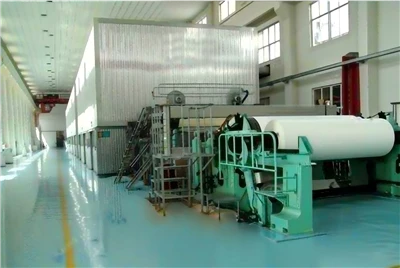
We adapt Polyurethane (PU) Roller in our paper cutting machine such as A4 Size Paper Cutting And Packing Machine Price.
This is the most universal traction and pressure rubber roller for film and paper slitter rewinders.
It features matte bright red coating with aluminum or steel roller core; the blue transition section at the roller end is formed by the rubber coating finishing process.
Boasting exceptional wear resistance, high resilience, tear resistance and strong material gripping force, it avoids slippage during high-speed slitting, making it ideal for conveying and traction of PP, PET, paper and adhesive tape master rolls.

1. Main Rubber Roller Material Comparison Table
| Material | Color | Key Advantages | Key Disadvantages | Compatible Machines | Application Scenarios | Service Life |
|---|---|---|---|---|---|---|
| Polyurethane (PU) Roller (Industry Standard) | Beige / Light Orange | Highest wear resistance, high friction coefficient, tear-resistant, not easy to glaze and slip, no dirty marks on paper | Higher price; slight swelling when contacting strong solvents for a long time | Heavy-duty hydraulic program-controlled cutters, medium and large electric paper cutters | Printing factory mass production, high-frequency cutting of coated paper, art books and thick cardboard | 6–12 months |
| NBR Rubber Roller (Cost-Effective Type) | Black | Cost-effective, balanced wear resistance and anti-slip performance, ink-resistant and glue-resistant, good elasticity | Easy to wear under heavy load, easy to polish and slip after long-term use | Small electric paper cutters, store economical cutters | Small graphic stores, low-volume cutting of ordinary copy paper, budget scenarios | 3–6 months |
| Silicone Roller (Special Anti-Stick Type) | Translucent White / Light Grey | Completely anti-adhesive, no glue residue, high temperature resistance | Low friction, easy to slip on thick paper, easy to scratch, low mechanical strength | Cutter pressure wheels, adhesive slitting equipment | Self-adhesive labels, back glue photo paper, laminated PVC, adhesive film materials | 4–8 months |
| Natural Rubber Roller (Low-End Entry Type) | Black | Low price, soft texture | Serious wear, easy to age and stick to dust, easy to slip in 1–3 months | Household manual paper cutter | Occasional non-commercial low-frequency use | 1–3 months |


2. Scene-Based Rubber Roller Selection Table
| Usage Scenario | Main Cutting Materials | Applicable Cutter Model | First Choice Roller | Alternative | Notes |
|---|---|---|---|---|---|
| Large Printing Factory / 24h Mass Production | 70g–400g copy paper, coated paper, matte paper, thick cardboard | 920 / 1150 heavy hydraulic cutter | High-hardness PU roller (Shore A 82–85) | None | Use virgin rubber, avoid recycled rubber to ensure precision and stability |
| Ordinary Graphic Shop / Daily Mass Cutting | Copy paper, coated paper, picture albums, white cardboard | 520 / 670 electric program-controlled cutter | General PU roller (Shore A 80–83) | NBR roller | PU is more durable for long-term high-frequency use |
| Advertising Shop / Adhesive Material Cutting | Self-adhesive labels, back glue photo paper, PVC laminating film | All electric cutters | PU feed roller + Silicone pressure roller | Full silicone roller | Mixed paper and adhesive materials must adopt PU feed roller to prevent slipping |
| Office Low-Frequency Use | A4 copy paper, ordinary documents | Small electric cutter / manual cutter | NBR roller | Natural rubber roller | Low-frequency use, cost-effective and sufficient |
| Mixed Material Cutting (Paper + Adhesive) | Ordinary paper, coated paper, adhesive film, labels | Medium and large electric cutters | PU feed roller + Silicone pressure roller | None | Do not use full silicone rollers, otherwise paper feeding will be unstable and inaccurate |
3. Rubber Roller Hardness Selection Table (Shore A)
| Hardness | Applicable Materials | Recommended Material | Function |
|---|---|---|---|
| 78–80A | Thin paper, photo paper, laminated paper | PU / NBR | Soft surface, no pressure marks, protect thin paper surface |
| 80–83A | Ordinary copy paper, 157–300g coated paper, conventional paper piles | PU / NBR | Universal hardness, balanced friction and compression resistance |
| 83–85A | Thick cardboard, high-density coated paper, long-term high-load cutting | High-hardness PU | Not easy to deform, anti-compression, stable feeding |
| 75–80A (Silicone) | Self-adhesive, back glue, PVC film | Silicone | Anti-stick and scratch-proof for adhesive materials |
4. Purchasing and Usage Notes
Do not use recycled rubber rollers. Inferior recycled rubber is easy to ooze oil, causing black spots and rubber residue on paper.
The roller size, shaft diameter and installation dimensions must be strictly matched with the original machine to avoid paper skew and abnormal noise.
Micro-matte textured rubber surface is preferred. Fully smooth new rollers are easy to glaze and slip quickly.
The same machine should use the same rubber material; mixed materials will cause inconsistent friction and skewed paper feeding.
For long-term commercial use, choose brand-new PU rollers. For budget replacement with intact shaft core, re-coating PU is more cost-effective.
5. Replacement Standard
Frequent paper slipping and inconsistent cutting length → Replace PU roller
Serious glue residue when cutting adhesive materials → Replace with silicone pressure roller
Black rubber marks and rubber falling off on paper → Replace aging rubber roller with PU roller
Roller dent, crack and peeling → Replace roller directly
Quick Selection Summary
Daily paper cutting, high precision and durability requirements: PU roller
Small store low-frequency use, cost priority: NBR roller
Often cut self-adhesive and laminated materials: PU feeding roller + silicone pressure roller