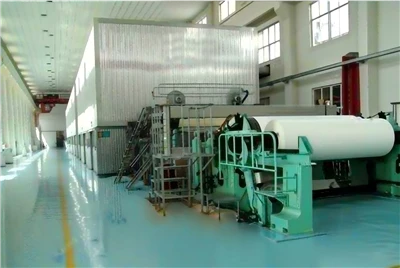

Cross and Vertical Paper Cutting Machine
High-quality machines produce high-quality office paper.
PLC, Servo Motor, Frequency Converter Timing Device, Automatic Counting, Stop Working by Alarm Magnetic Powder Tension Control.
 On Site
Max. width of cutting: 1400mm
Max. diameter of material:1400mm
Speed: 10-180 times/min
Precision: ±0.2mm

Photos With Clients
The client came to the factory to inspect and accept the ordered machines.
Common Types of Paper
Names, Uses and Characteristics
We interact with paper almost every single day, yet few of us stop to notice how differently each type performs. I've gradually picked up on these subtle differences through daily study, simple craft projects and casual observations over the years. On the surface, many sheets look quite similar, but their texture, how they take ink and how well they hold up over time set them completely apart. These small distinctions decide where we put each kind of paper to use, going far beyond the basic functions most people take for granted.

Copy Paper / Printing Paper
Copy paper is such a regular part of study and office life that we seldom stop to examine its actual qualities. After using it for years, I can easily tell the difference between the two most common weights: 70g and 80g. The lighter 70g paper feels softer to the touch, ideal for quick class notes, draft homework and documents that do not need long-term preservation. When it comes to formal resumes, academic reports or files meant to be filed away for years, I always reach for 80g paper instead. It feels sturdier and lies flatter on a desk. Good quality copy paper strikes a nice balance with ink: it never soaks ink in too quickly to blur words, nor does it resist ink and leave faint, hard-to-read marks. Its even fiber structure also means printers rarely jam when running multiple pages in a row, keeping daily work running smoothly.
Newsprint
Newsprint is clearly made to serve timeliness above everything else. Unlike the bright white paper we use in offices, it carries a soft yellow hue, a natural result of its simplified pulping and bleaching process. Light and affordable, it fits the needs of daily newspaper production perfectly. One detail I have noticed many times is how fast the ink dries. Freshly printed newspapers can be stacked right away without leaving smudges on pages, a key feature that supports fast, large-scale printing and delivery to readers. Its porous texture lets air and ink pass through easily, though this same feature makes it age faster. Left exposed to air and indoor light for months, the pages slowly turn brittle and lose their original tone, which is why it is only ever meant for temporary reading.
Coated Paper (Art Paper)
Anyone can spot the visual gap between ordinary print materials and posters or magazine covers, and coated paper is the main reason for that difference. A fine layer of coating covers its surface, creating a smooth, flat finish you will never find on standard printing paper. This special surface makes colors look more authentic and layered. Gradient shades and tiny delicate details, which tend to look dull and flat on regular paper, show up vividly here. The ink stays locked in place well, and the paper resists minor dampness or warping. That explains why designers turn to this material for high-end brochures, exhibition posters and publication covers, works that demand clear, refined visual effects for a long time.
Kraft Paper
Among all packaging papers, kraft paper has always been one of my favorites, thanks to its plain texture and reliable strength. Its natural brown and beige shades bring a simple, down-to-earth feel, matching well with today's preference for eco-friendly, minimalist styles. It is far tougher than regular paper. I have tested it casually in daily use: it stands up to frequent folding and light rubbing without cracking easily. It also handles mild moisture fairly well, enough to keep gifts, stationery and other daily items safe from dampness. Whether made into shopping bags, envelopes or custom cartons, it combines solid protective performance with a quiet, pleasant look.
Xuan Paper
As a traditional handmade paper created specifically for Chinese calligraphy and ink painting, Xuan Paper holds a unique charm that machine-made paper cannot replicate. Produced from natural plant materials through dozens of traditional handcraft steps, it feels soft on the surface but firm in structure. What impresses me most when viewing artworks is how it interacts with ink. It never lets ink spread out into messy blots, nor does it trap ink to create stiff, lifeless lines. Pale ink creates soft, hazy layers, while thick ink delivers bold, powerful strokes. This flexible ink performance builds the distinctive artistic style of traditional Chinese painting and calligraphy. As long as it is stored properly, works on Xuan Paper can keep their original texture and color for a very long time.
Toilet Paper
Toilet paper is an unremarkable but essential household item, and every part of its design caters to daily cleaning needs. Unlike paper used for printing or drawing, which prioritizes flatness and firmness, this kind of paper is made to be gentle and absorbent. Crafted from pure plant fibers and pressed into multiple layers, it feels comfortable against skin and causes no irritation. It soaks up water quickly, wiping away moisture and light stains with just a gentle touch. The layered build also prevents common troubles like tearing or leaving tiny paper scraps behind during use. Its simple, practical design fits all kinds of daily household cleaning tasks perfectly.
Corrugated Paper
Most people only see corrugated paper when opening express parcels, yet its structural design is quite clever. It is built with two flat outer sheets and a rippled inner core, managing to stay lightweight while standing up to pressure. In daily delivery scenarios, ordinary flat paper deforms easily under a little squeeze, but corrugated paper disperses external force efficiently. The wavy inner layer softens impacts from bumps and compression, protecting fragile goods such as glassware, ceramics and cosmetics during transport. Beyond standard packaging, it is easy to cut and fold, so many people also reuse it for simple handcrafts and homemade buffer pads at home.
Sketch Paper
Having tried basic drawing for some time, I can easily tell sketch paper apart from regular writing paper. It is thicker and firmer, covered with a subtle matte grain across the whole surface. This fine texture is what makes it great for pencil and charcoal work; it holds powder firmly so lines do not slide around on the page. What I appreciate most while sketching is its ability to handle repeated changes. Erasing lines, adjusting compositions and adding layers of shade will not make the surface pill or tear. It records every slight shift of lines and shadows faithfully, making it a steady choice for both daily practice and small creative works.
Tracing Paper (Vellum Paper)
Tracing paper acts as a handy helper for drawing and design work, with features totally different from most common paper types. Its most obvious trait is soft translucency, letting artists and designers see the patterns underneath clearly for accurate copying. Thin, light and flexible, it bends freely without cracking, suited for all kinds of fine hand-drawing postures. It also resists water and oil to a certain degree, so normal drawing ink will not seep through the page quickly when people draw delicate lines. From copying sketch drafts and sorting blueprints to designing intricate patterns, it brings great convenience to detailed manual work and technical drafting.